The crimes, the Network, and the victims are best understood within the relevant historical context. That begins in the colonial period, advances through subsequent eras, takes a significant turn at the turn of the 21st Century, and culminates with the Bolsonaro administration. A common through line—competing claims for the country’s rural land and persistent debates over its uses—has defined and dominated the Brazilian political, legal, economic, and cultural landscape (in the Amazon and in the halls of power) for centuries.: a clash between two opposing views of rural land, how it should be defined, occupied, utilized, and ultimately how it should be valued in Brazilian society. In Brazil this has unfolded with much violence and bloodshed. Indeed, the campos of the Amazon are scarred by conflict and littered with casualties. Rural Land Users and Defenders have endured grave abuses at the hands of the Network, whose superior strength and devious machinations often prevail. At the end of this real-life story are real-life victims and real-life criminals. It is, in the final analysis, a case of (international) crime without punishment.
Contextual background chapter looks at the legal framework (‘Mosaic’), the influence of the agro-industrial complex (‘corporate capture’), the resulting environmental destruction (‘deforestation’), and the acts and policies of the Bolsonaro administration (‘Bolsonaro’).
The Mosaic
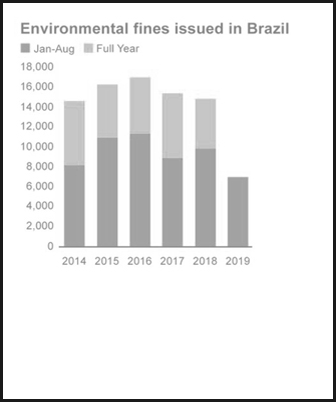
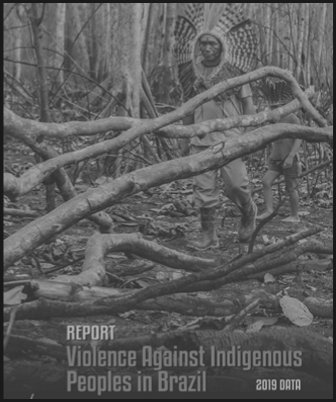
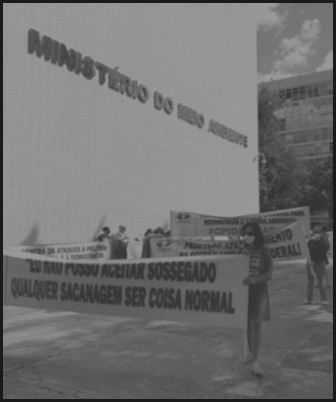
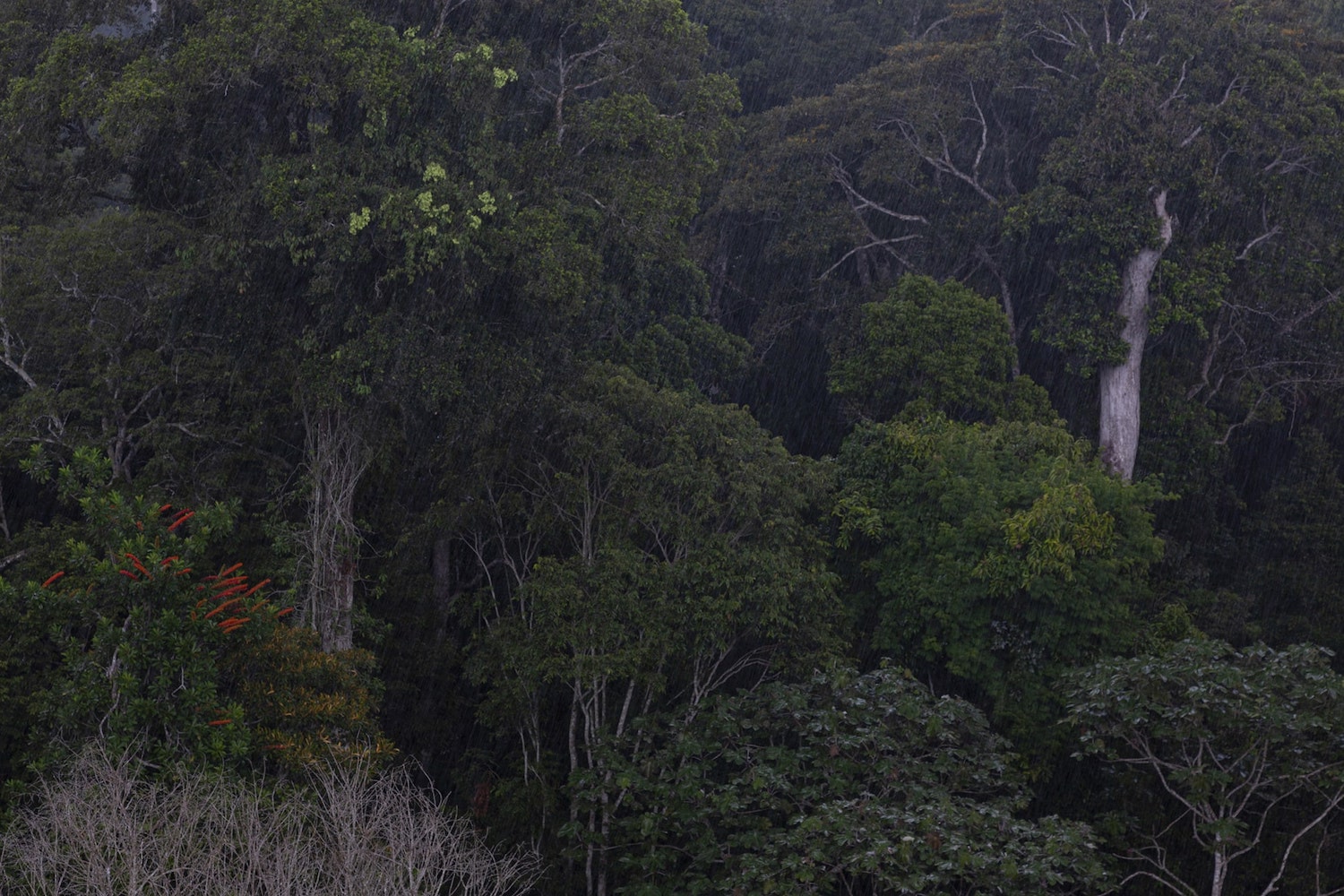
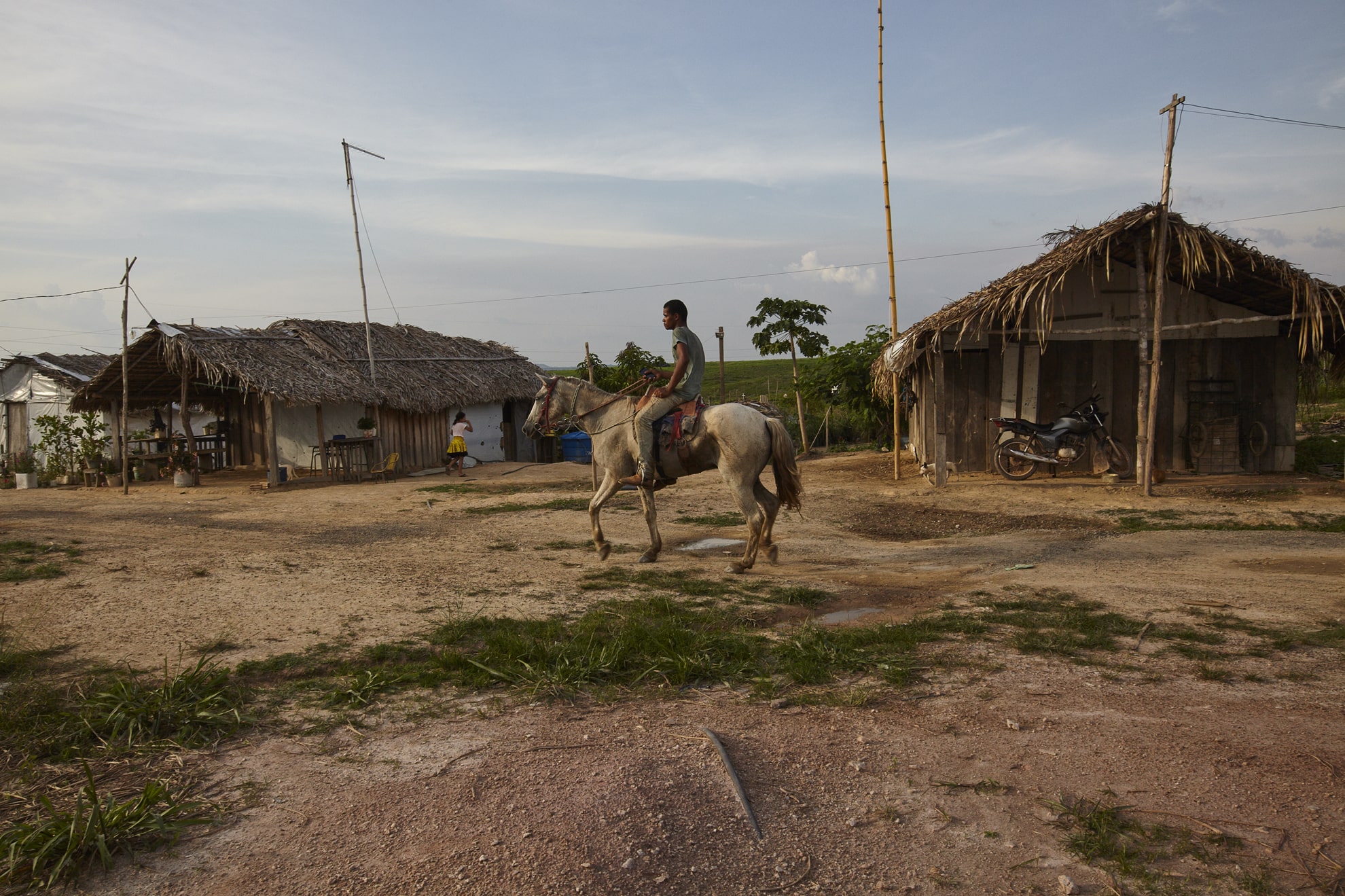
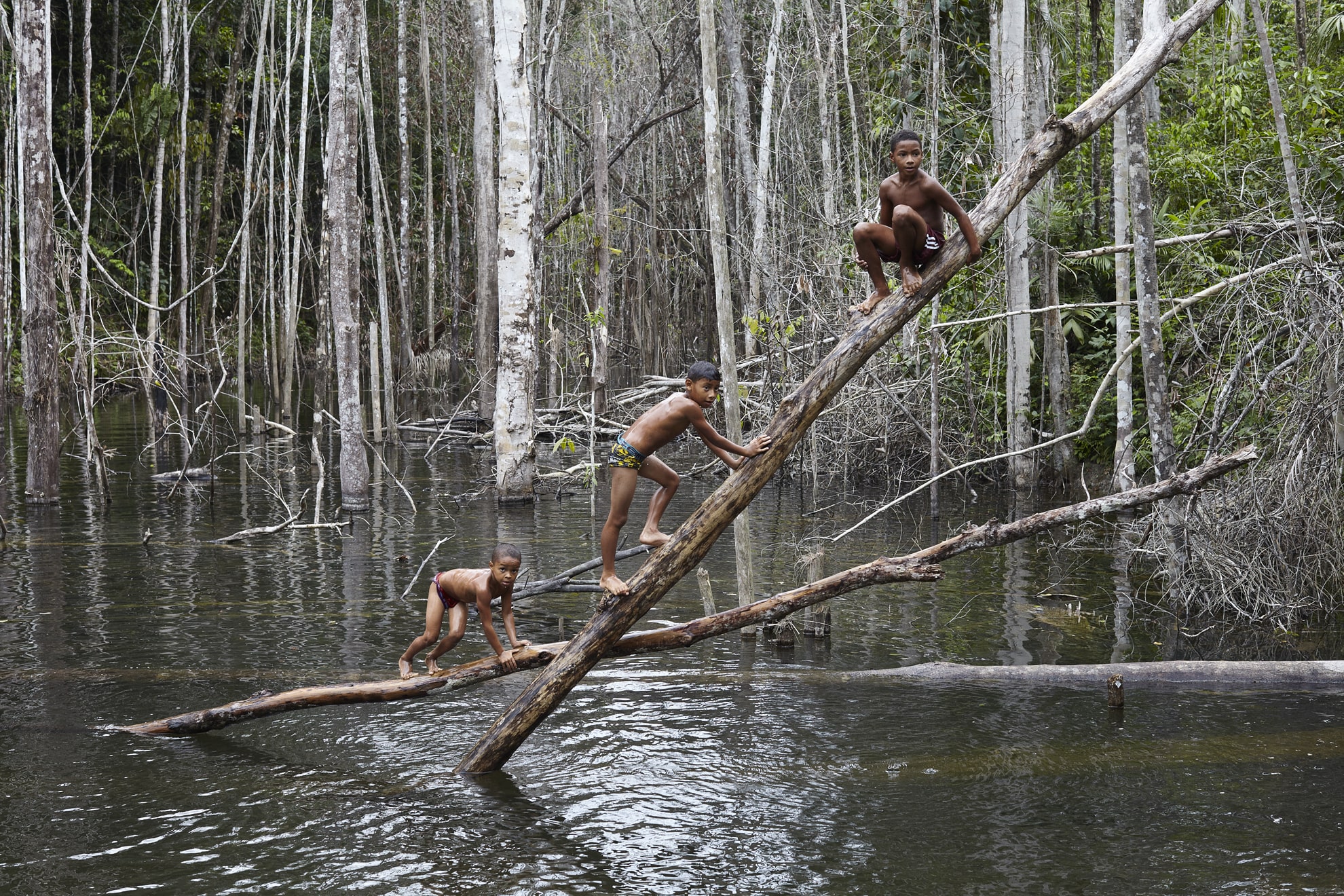
Indigenous peoples have considerable rights under Brazil’s 1988 constitution. Land rights were further extended to Quilombola communities under President Lula’s government. Brazil has one of the world’s most robust forest protection systems. However, as demonstrated throughout the Communication: there is a vast gulf between the recognition of rights and their enjoyment and/or enforcement. While Brazil’s domestic legal system recognizes environmental crime, the Network’s insidious power and reach has ensured that inconvenient laws are undermined or unenforced. The resulting environmental damage—largely brought under control in the first decade of the 20th Century—has been staggering in recent years, threatening the very existence of the Amazon Rainforest.
CORPORATE CAPTURE

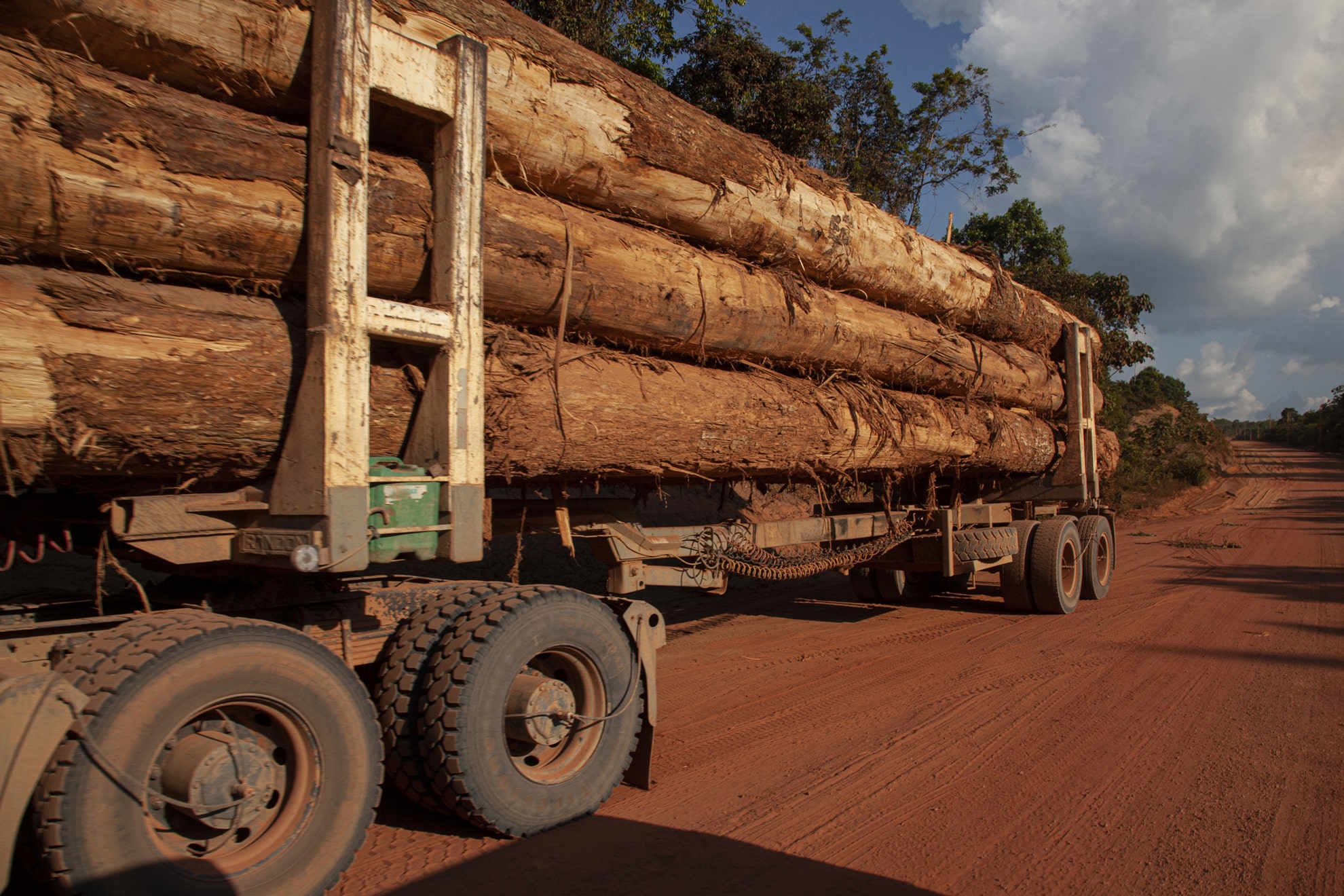
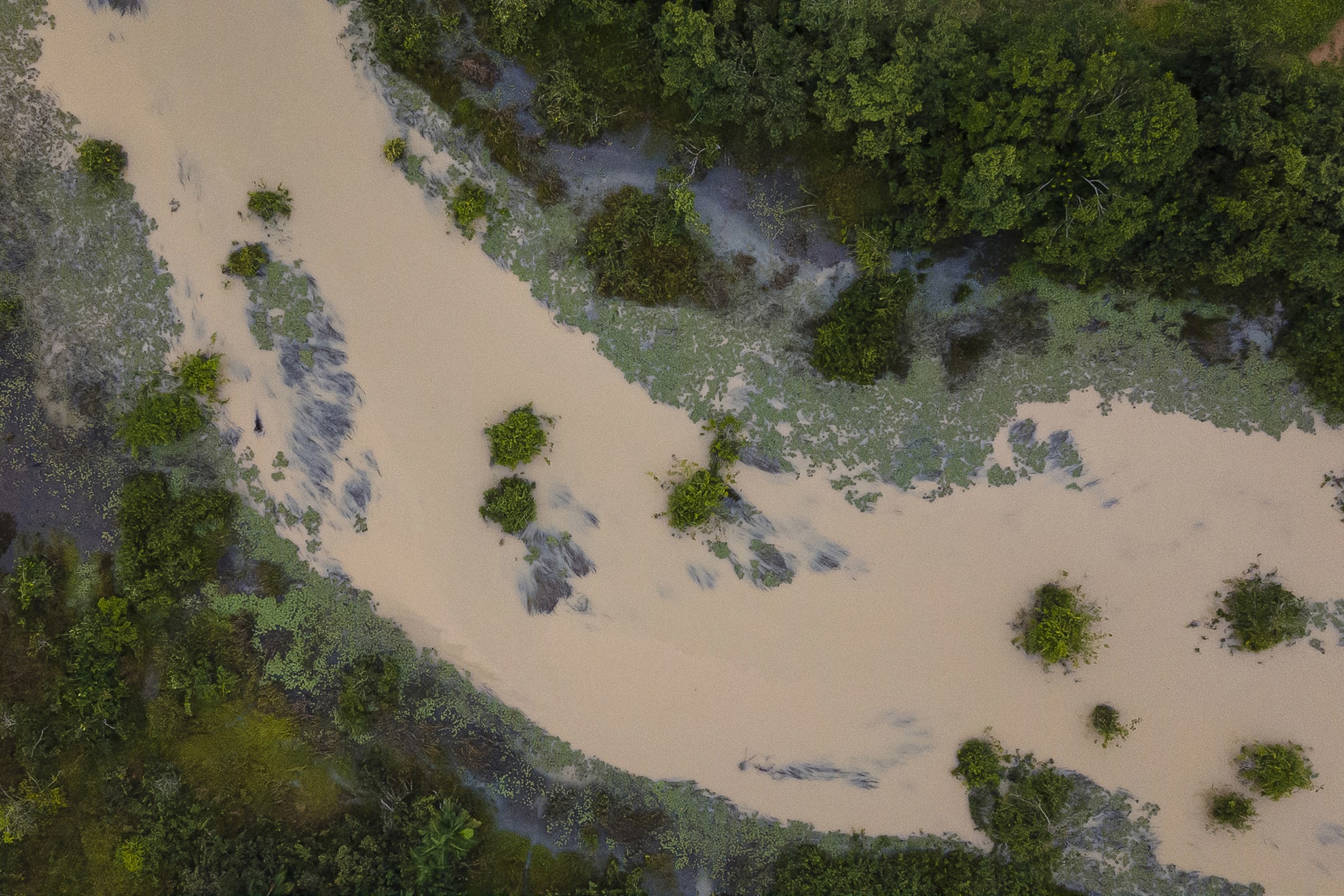
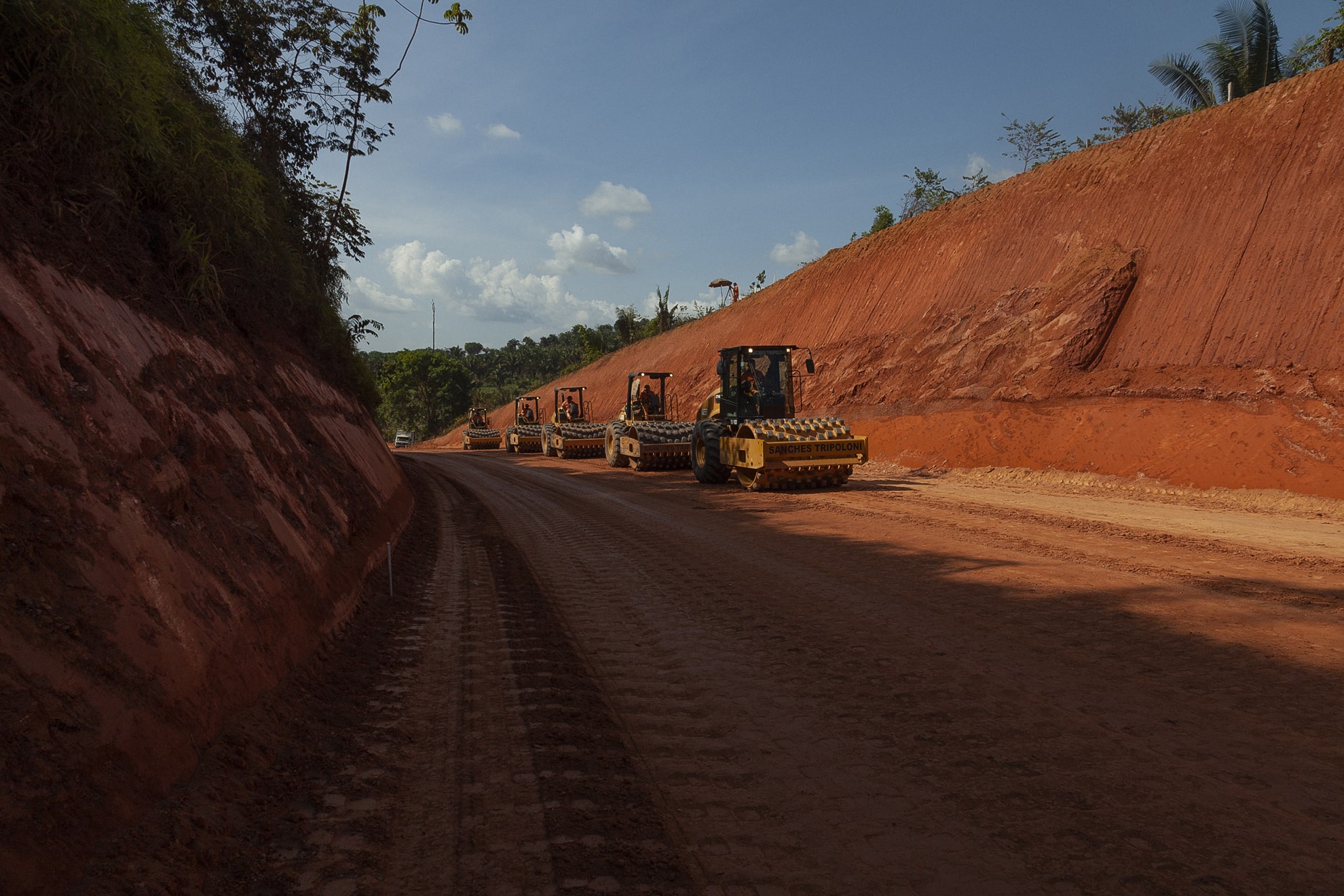
Accounting for most of the commercial activity in the Amazon are a number of players: multinational agribusiness and smaller-scale farmers; large-scale cattle ranches (latifundios), some with their own private security details; large-scale mining companies and small-scale surface miners (garimpeiros); A variety of factors—including new commercial technologies, increased infrastructure, readily available financing, rising global commodity prices, etc—coalesced in the early part of the 21st Century to drive commercial expansion in the Amazon.
DEFORESTATION

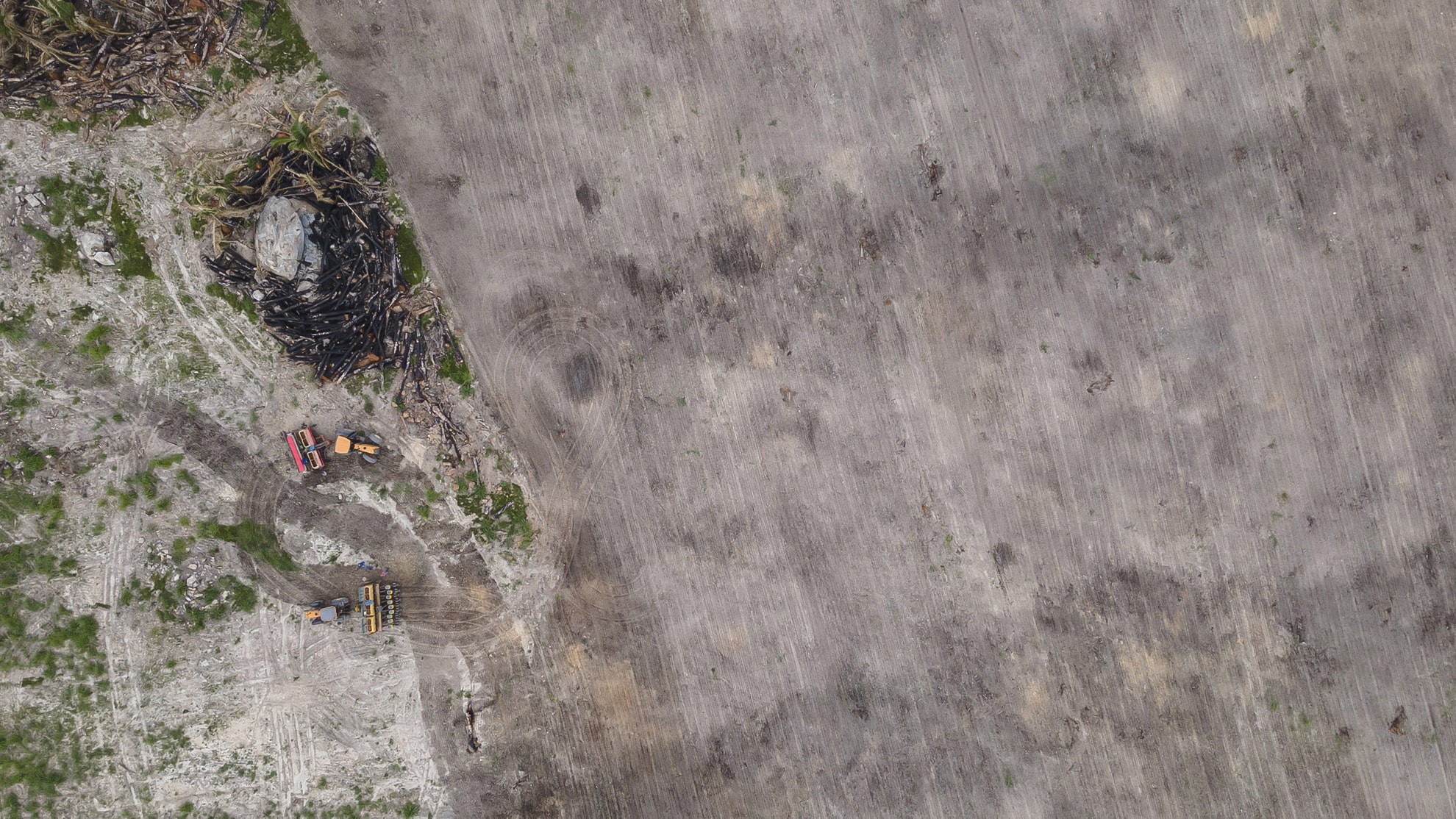
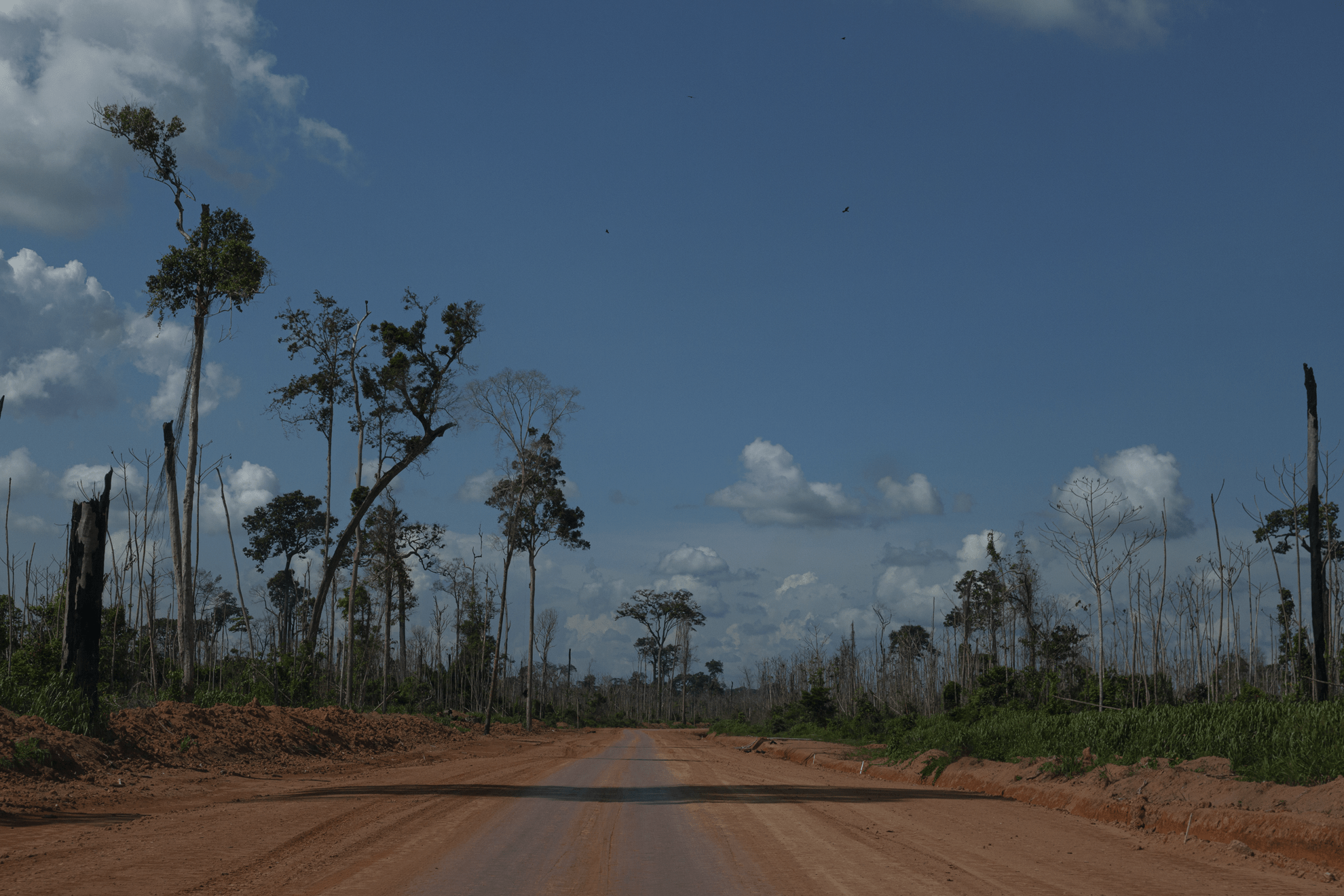
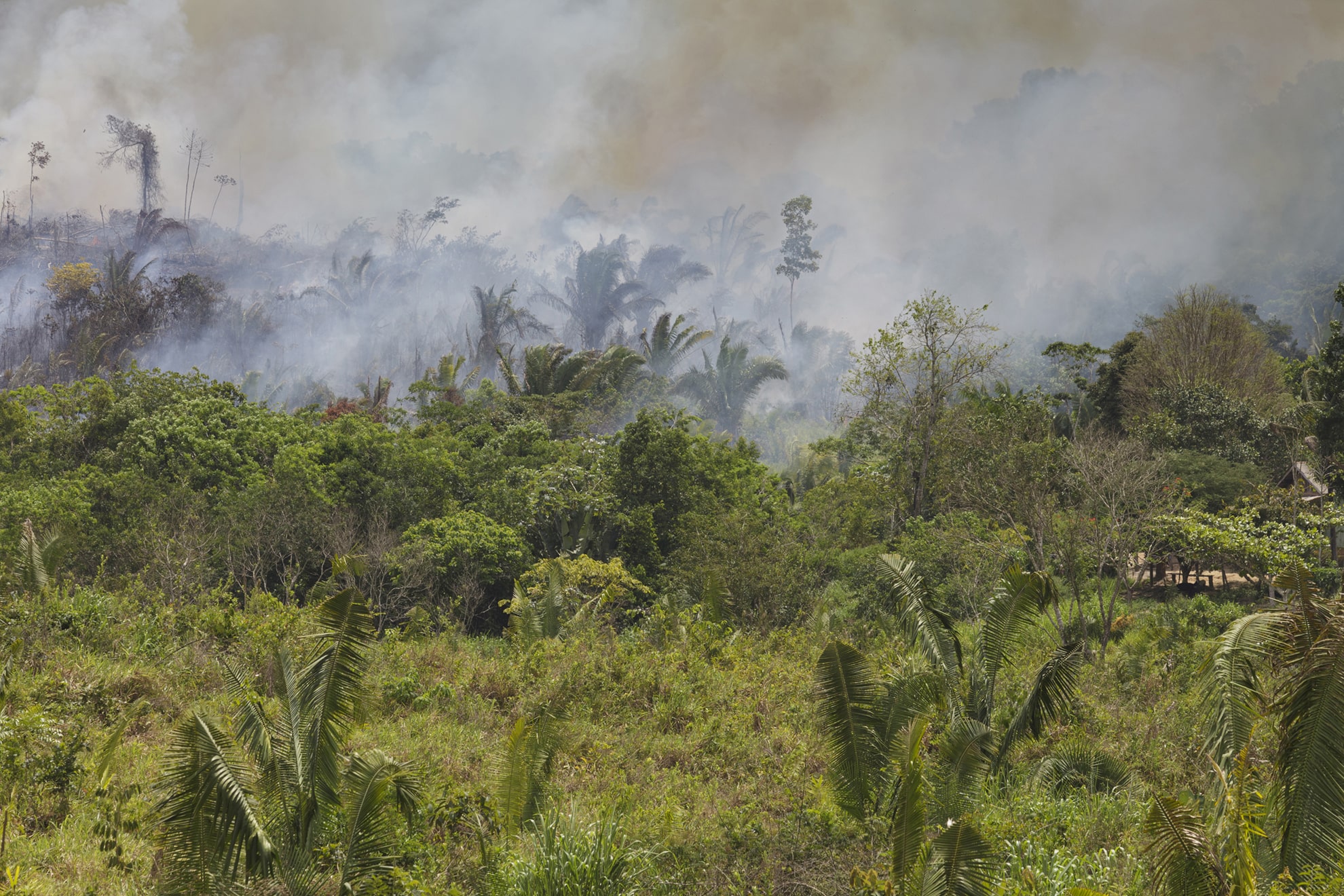
Large amounts of deforestation are both illicit and violent, associated with illegal land-grabbing (known as grilagem). The decades-long economic bonanza described above has resulted in the persistent problem of land grabbing. Sophisticated criminal organizations that extract resources and violently defend their interests, engage in violent crime and human rights abuses—including murder, persecution, and other inhuman acts—against Rural Land Users and Defenders.
BOLSONARO

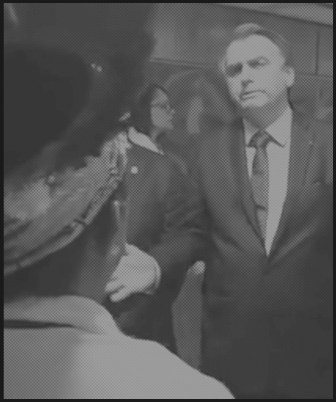
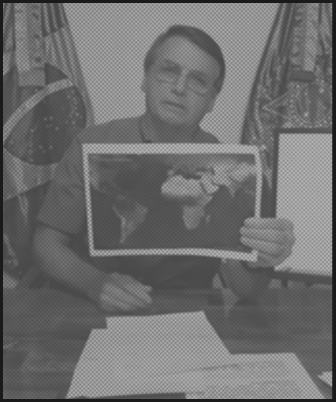
A deliberately provocative and polarizing figure, Mr Bolsonaro assumed his official duties in January 2019. From the outset, his presidency has elicited near-constant opposition from many quarters, especially Brazilian citizens and organizations attempting to resist the dispossession of land, the exploitation of natural resources, and the destruction of the environment. Like his predecessors, Mr Bolsonaro came to power with support from the Ruralistas. However, unlike the others (who had more nuanced political relationships with the powerful caucus), the Ruralistas finally found their true champion in Mr Bolsonaro—a man said to have ‘heard the necessities’ of agribusiness.